March 11, 2026
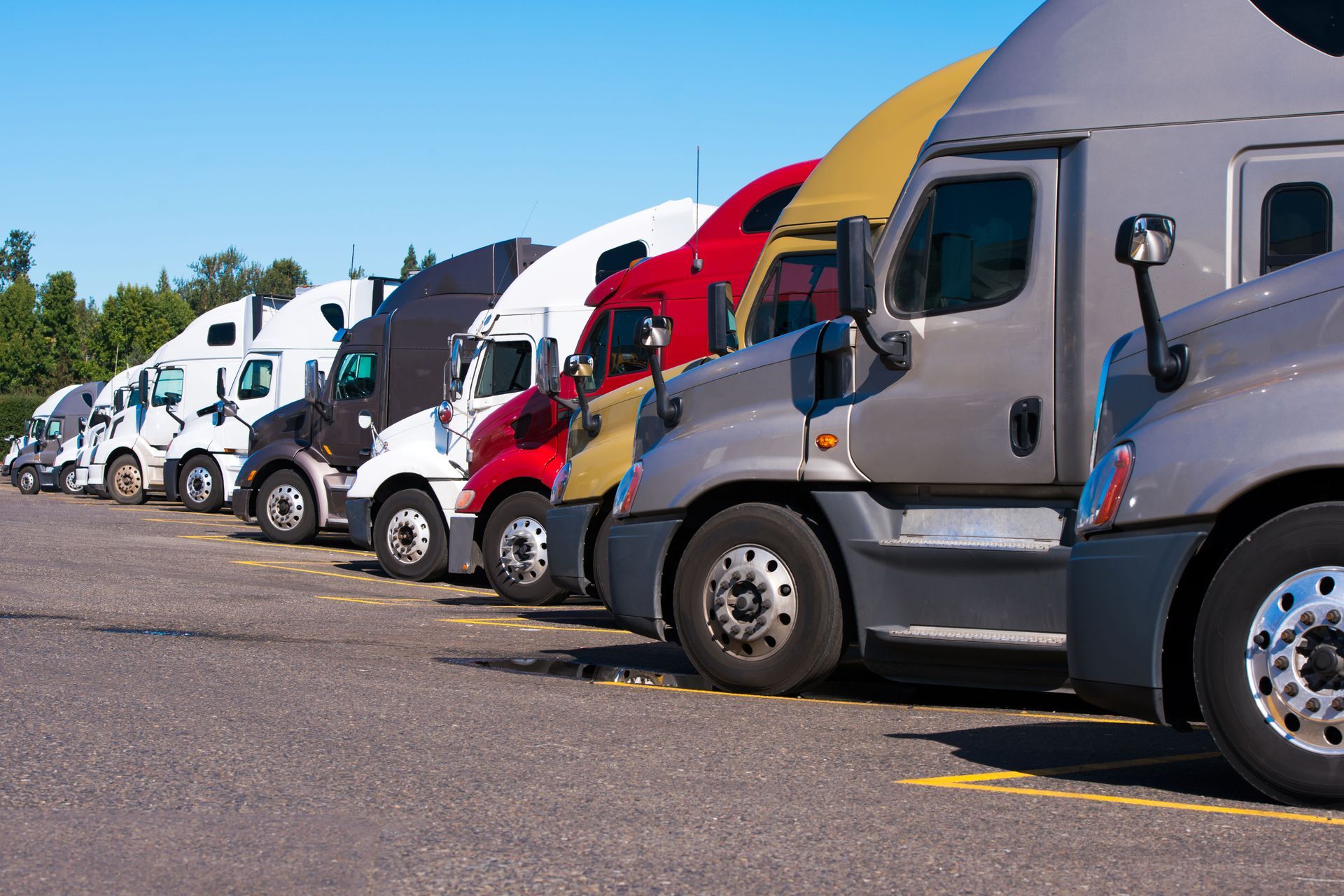
In today's interconnected world, fleets are the arteries of modern economies, facilitating the movement of goods across vast distances both domestically and internationally. From delivery trucks navigating urban centers to long-haul vehicles connecting regional markets, these fleets underpin nearly every sector of commerce. Ensuring that these vehicles are well-maintained through regular repair services is not just a logistical concern but an economic imperative that directly impacts productivity, safety, and profitability. This article explores the critical importance of fleet repair services in maintaining operational efficiency, minimizing downtime, and supporting overall economic stability in an increasingly competitive global market.
The Backbone of Logistics: Fleets in Modern Economies
Enabling Global Trade
Fleets are pivotal in connecting global markets, enabling goods to be transported from one corner of the world to another. This connectivity is essential for international trade, where timely and efficient transportation can impact the bottom line. The fleet industry's capacity to facilitate vast trade volumes helps sustain economic growth and development. According to Trucking.org, on average, about 580,000 authorized interstate motor carriers and 8.4 million trucking-related workers throughout the economy move 11.27 billion tons of freight. This massive logistical network underscores the critical role that fleets play in the seamless operation of global commerce.
The Role in Domestic Supply Chains
Within national borders, fleets are crucial for maintaining domestic supply chains. They ensure that goods move efficiently from manufacturers to distributors, retailers, and ultimately consumers. This movement is vital for the stability of local markets and the availability of products. Fleet services optimize routes and schedules to reduce costs and improve delivery times. As such, domestic supply chains rely heavily on the efficiency and reliability of fleet operations.
Fleet Dependence on Real-Time Delivery
With the advent of e-commerce, consumer expectations around delivery times have intensified. Fleets are now tasked with meeting demands for real-time delivery services that emphasize speed and punctuality. This heightened expectation underscores the necessity for well-maintained fleets that can operate without delay. Operational inefficiencies can lead to delayed shipments and dissatisfied customers. Thus, fleet repair services are integral to preserving the reliability required to meet real-time delivery expectations.
Technological Integration and Its Importance
Technological advancements have become increasingly integrated into fleet operations. Innovations such as GPS navigation, telematics, and automated reporting are pivotal for optimizing fleet efficiency. These technologies not only enhance operational capabilities but also contribute to economic advancements by reducing operational costs and improving service delivery. The integration of technology in fleets necessitates consistent maintenance to ensure continued performance. Proper repair services support the seamless operation of these technological tools, bolstering the fleet's economic impact.
The Importance of Fleet Repairs to Business Continuity
Minimizing Downtime and Maximizing Profits
For businesses reliant on fleets, minimizing downtime is a priority to maximize profits. Fleet repairs are essential for maintaining vehicle availability, which directly impacts a company's operational efficiency. Regular maintenance can prevent unforeseen breakdowns, ensuring fleets remain active. Reduced downtime leads to optimized delivery schedules and improved customer satisfaction. Ultimately, consistency in business operations contributed by well-maintained fleets directly correlates to increased revenue generation.
Enhancing Safety and Compliance
Safety is paramount in fleet management, where adhering to regulatory compliance is necessary to avoid liabilities. Regular fleet repairs ensure vehicles meet safety standards, protecting drivers and goods. Compliance with legal regulations guards against potential fines and operational shutdowns due to negligence. Moreover, maintaining a reputation for safe practices can be advantageous in a competitive transport market. Thus, fleet repair services are invaluable in upholding safety and maintaining compliance.
Extending Vehicle Lifespan
Regular repair services play a critical role in extending the lifespan of fleet vehicles. Through routine maintenance, wear and tear can be mitigated, preventing premature mechanical failures. As vehicles represent significant capital investments, prolonging their operational life maximizes return on investment. Fleet repairs ensure that vehicles remain reliable over extended periods. Ultimately, this longevity reduces the need for frequent replacements, thereby optimizing financial resources and operational continuity.
Cost-Effective Management of Fleets
Routine maintenance is more cost-effective than emergency repairs. Scheduled repairs can address minor issues before they escalate into major problems, reducing unexpected expenses. This proactive approach in fleet management prioritizes financial efficiency. Emergency repairs often entail higher costs due to immediate service demands and potential delays in operations. Applying regular fleet maintenance practices results in carefully managed repair budgets and optimized operational expenditures.
Supporting Sustainable Practices
The incorporation of eco-friendly practices in fleets is gaining momentum as sustainability becomes a business priority. Fleet repairs can support sustainability by ensuring vehicles operate at optimal efficiency and reducing emissions. Eco-friendly maintenance practices may include choosing recycling-friendly materials and utilizing energy-efficient parts. Adopting sustainable repair services not only aligns with global ecological standards but also reduces long-term operational costs. Therefore, sustainable practices within fleet repair services are integral to modern environmental and economic strategies.
The Future of Fleet Repairs
Continued Technological Innovations
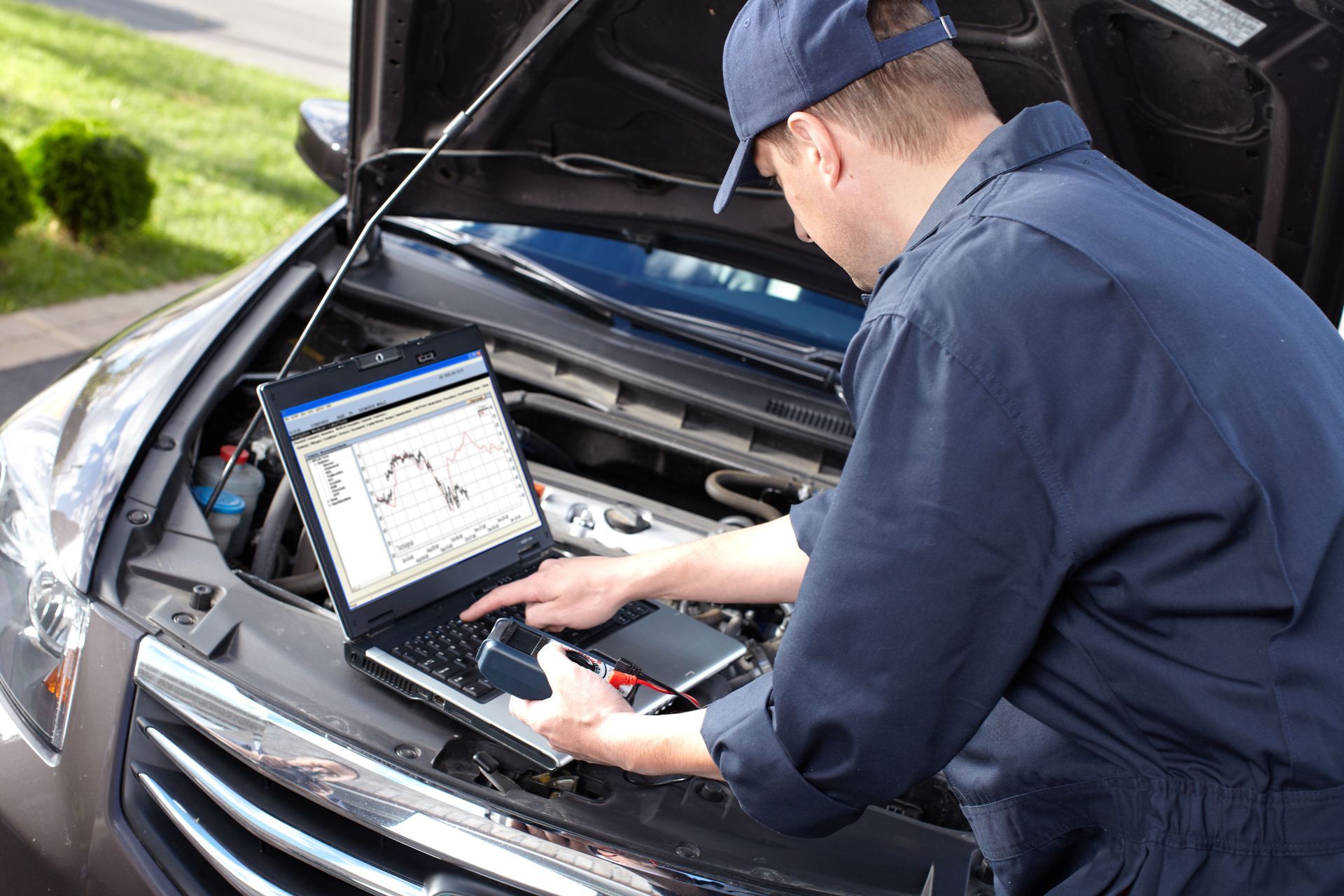
The future of fleet repair services will be significantly shaped by ongoing technological innovations. Emerging tools and methods promise to enhance maintenance processes, improve efficiency, and reduce costs. Continuing advancements in automation, AI, and telematics will further revolutionize fleet maintenance practices. These developments will necessitate continuous learning and adaptation by technicians to integrate new technologies effectively. As these innovations drive industry transformation, they will pave the way for a more efficient and resilient fleet repair industry.
Growing Importance of Sustainability in Repairs
Sustainability is becoming increasingly important in fleet operations, influencing repair practices. As environmental concerns continue to gain attention, eco-friendly repair solutions are expected to grow in popularity. The integration of sustainable practices ensures that repairs align with broader environmental objectives and business goals. Adopting sustainable repair practices not only benefits the planet but also enhances a company's brand reputation and competitiveness. As sustainability initiatives gain traction, aligning repair services with these principles will become a strategic necessity for fleet operators.
Collaboration with Manufacturers
Collaboration between fleet repair services and vehicle manufacturers offers opportunities for enhanced support and innovation. Manufacturers possess deep insights into vehicle technologies and can provide valuable support to repair services. These partnerships can yield shared research and development initiatives that advance repair solutions. Collaborations can also facilitate training programs that equip technicians with the latest skills and knowledge. Strengthening ties between manufacturers and repair services is key to leveraging technological advancements and maintaining competitive repair services.
Predictive Maintenance and Data Analytics
The integration of predictive maintenance and data analytics is set to transform fleet repair strategies. By leveraging real-time vehicle data, fleet operators can anticipate component failures before they occur, reducing downtime and unexpected costs. Advanced analytics enable more informed decision-making regarding part replacements, service scheduling, and overall fleet management. This proactive approach enhances operational efficiency, extends vehicle lifespans, and optimizes resource allocation, making predictive maintenance a cornerstone of future fleet repair operations.
Fleet repair services are indispensable in ensuring the efficiency, reliability, and longevity of the backbone of modern economies. Beyond keeping vehicles operational, these services support business continuity, enhance safety, and ensure compliance with ever-evolving regulatory standards. They also drive technological adoption and promote sustainability initiatives, helping fleets operate more efficiently and responsibly. As the fleet industry continues to evolve, repair services must adapt to emerging challenges, from advanced vehicle technologies to changing environmental regulations, to sustain their crucial role in economic stability, operational resilience, and long-term progress. For reliable fleet repair services, contact Cruise N' Cool Automotive, Diesel & Fleet Repair today!