April 13, 2026
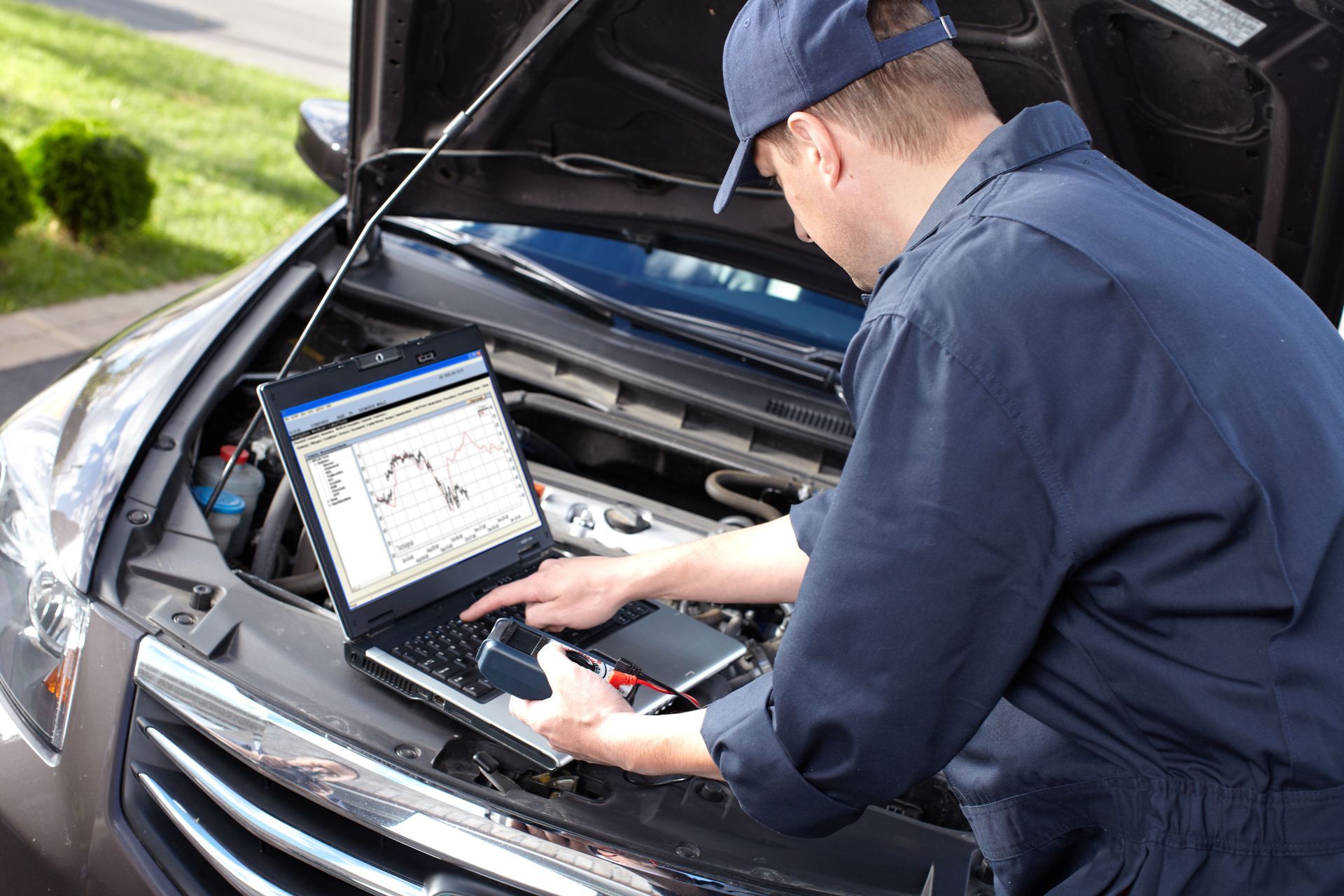
In the world of logistics and heavy transportation, maintaining a well-functioning diesel fleet is crucial. Ignoring the signs that diesel fleet repairs are needed can lead to costly downtimes and extensive damage. This article delves into the key indicators that suggest your diesel fleet requires immediate attention, offering insights that every fleet manager should heed. Understanding these vital signs ensures the operational efficiency and safety of your diesel fleet. Moreover, preventive measures and timely interventions help in avoiding large-scale issues that could hinder business logistics.
1. Unusual Engine Noises
1.1 Identifying the Sounds
Engine noises are often the first indication that something might be amiss in a diesel fleet. Common troubling sounds include knocking, which can be caused by the engine misfiring, and sputtering, often due to inconsistent fuel delivery. Other problematic noises could be squealing or grinding, pointing to possible issues with belts or the turbocharger. Recognizing these sounds is crucial for fleet managers as they often herald emerging mechanical issues. Ignoring these audio cues can compound into larger, more expensive problems.
1.2 Diagnosing the Cause
Once unusual engine noises are identified, diagnosing their causes becomes the next step. Knocking may be due to faulty spark plugs, while sputtering might indicate a clogged fuel injector. Squealing can often be attributed to worn or loose belts, while grinding noises could be a precursor to turbocharger failure. Diagnosing these issues accurately requires keen observation and sometimes professional expertise. Fleet managers should take advantage of the over 290,000 auto repair shops across the United States, according to Zipdo, to assess and address these noises.
1.3 The Risks of Ignoring Noises
The risks of ignoring engine noises in a diesel fleet can be significant. Unattended knocking can eventually lead to engine failure, causing unexpected and costly downtime. Similarly, ignoring a simple belt squeal could lead to a snapped belt, resulting in the vehicle becoming inoperable. Beyond the immediate mechanical failures, prolonged neglect of engine noises can lead to further internal damage, affecting other engine components. Addressing issues promptly ensures the fleet remains operational and safe.
2. Decreased Fuel Efficiency
2.1 Monitoring Fuel Usage
Monitoring fuel usage is a critical component of maintaining a diesel fleet's efficiency. Fleet managers need to implement systems that track real-time fuel consumption to identify deviations quickly. Anomalies in fuel usage often indicate underlying mechanical problems, such as a clogged air filter or fuel lines. By carefully analyzing fuel data, managers can pinpoint issues before they escalate. Reducing fuel waste not only saves money but also diminishes environmental impact.
2.2 Common Causes of Fuel Inefficiency
Several factors can contribute to reduced fuel efficiency in diesel fleets. These include clogged fuel injectors, faulty oxygen sensors, and dirty air filters, all of which can affect the engine's combustion process. Similarly, transmission or exhaust system issues can also lead to a drop in fuel efficiency. Addressing these issues requires comprehensive diagnostic checks. With numerous auto repair shops available nationwide, fleet managers have easy access to professional services to conduct these checks efficiently.
2.3 Economic Impact of Poor Fuel Economy
Poor fuel economy can have a significant economic impact on fleet operations. Increased fuel consumption leads directly to higher operational costs, affecting the overall profitability of shipping and logistics companies. Over time, these increased costs can erode profit margins and even impact competitive pricing strategies. Beyond direct financial implications, inefficient fuel usage also contributes to higher emissions, exposing the company to potential regulatory penalties. Therefore, maintaining optimal fuel economy is as much a financial imperative as it is an environmental responsibility.
3. Excessive Exhaust Smoke
3.1 Types of Exhaust Smoke
Excessive exhaust smoke is another clear sign that diesel fleet repairs are necessary. Black smoke typically indicates incomplete combustion due to issues like a blocked air filter or faulty injectors. Blue smoke often results from oil escaping into the combustion chamber, hinting at worn-out engine components. Meanwhile, white smoke may represent coolant leakage or problems with head gaskets. Understanding these differences helps in accurately diagnosing and addressing the root cause of the smoke. Fleet managers need to routinely check for these exhaust variations to ensure smooth fleet operations.
3.2 Diagnosing Smoke Discrepancies
Diagnosing smoke discrepancies in diesel engines involves scrutinizing various engine components. Black smoke, for instance, may require an examination of the fuel delivery system, while blue smoke calls for a close look at valve seals and piston rings. White smoke might necessitate checking for coolant leaks and assessing the combustion chamber. Consulting professionals with diagnostic tools is often necessary to accurately identify the underlying problem. With the widespread network of auto repair shops available in the United States, expert diagnosis is readily accessible for fleet managers.
3.3 Environmental and Regulatory Concerns
Excessive exhaust smoke not only indicates mechanical issues but also poses environmental concerns. Heavy emissions contribute to air pollution and can also violate local and national regulations, potentially resulting in fines or sanctions. Many jurisdictions have stringent emission standards, requiring fleet managers to proactively manage and reduce smoke emissions. Compliance with these regulations is not only a legal responsibility but also part of sustainable operational practices. Addressing smoke emissions promptly helps in maintaining environmental integrity and corporate responsibility.
4. Engine Performance Issues
4.1 Signs of a Hindered Engine
Engine performance issues are a critical warning sign that diesel fleet repairs might be needed. Sluggish acceleration, frequent stalling, and difficulty starting are all indicators of potential problems within the engine's systems. These signs should prompt fleet managers to inspect components such as fuel injectors, air intake systems, and ignition systems. Ignoring these symptoms can lead to further deterioration and even more costly repairs. Maintaining awareness of engine performance helps fleet managers act promptly and prevent extended downtime.
4.2 Analyzing Possible Causes
Analyzing possible causes of engine performance issues requires a systematic approach. Problems such as clogged filters or faulty spark plugs can drastically affect engine operation. Similarly, ignition system malfunctions can create inconsistent starts, while air intake blockages can decrease available power. Comprehensive testing and diagnostic tools can help identify the root cause. Utilizing professional mechanics, supported by an extensive network of repair shops, can ensure accurate assessment and solution implementation.
4.3 Immediate Actions for Performance Recovery
Implementing immediate actions is necessary when encountering engine performance issues. Quick fixes such as cleaning air filters, checking spark plugs, or replacing fuel filters can sometimes restore engine functionality. However, these are often only temporary solutions until a comprehensive professional repair can be conducted. Regular checks and calibrations allow fleet managers to maintain vehicle performance effectively. It's essential to follow up with professional services to ensure long-term operational stability.
5. Brake System Failures
5.1 Recognizing Brake Wear
Recognizing signs of brake wear is crucial for any fleet manager. Sounds like squealing or grinding, longer stopping distances, or a spongy brake pedal are all indicators of brake issues. These symptoms necessitate immediate inspection and repair to ensure safety. Given the critical role brakes play in vehicle operation, ignoring these signs can lead to severe safety risks. Routine maintenance checks should focus on identifying wear and ensuring brake systems' optimal performance.
5.2 The Importance of Timely Brake Repairs
Timely repair of brake systems is essential for maintaining fleet safety. Delays in addressing brake wear can multiply risks, jeopardizing driver and vehicle safety. Immediate diesel fleet repairs help avoid costly accidents and ensure compliance with safety standards. Timely interventions not only protect human lives but also safeguard the company's reputation. Ensuring brakes are promptly fixed not only minimizes risk but also maintains vehicle reliability.
Recognizing the signs that indicate diesel fleet repairs are necessary is vital for maintaining operational efficiency and safety. By addressing these issues promptly and incorporating regular maintenance routines, fleet managers can ensure a longer service life for their vehicles, minimize downtimes, and optimize overall performance. Consequently, businesses can continue to deliver reliable services while preserving equipment's longevity and maintaining competitive operation standards. If you need professional diesel fleet repairs, contact Cruise N' Cool Automotive, Diesel & Fleet Repair today.