April 4, 2026
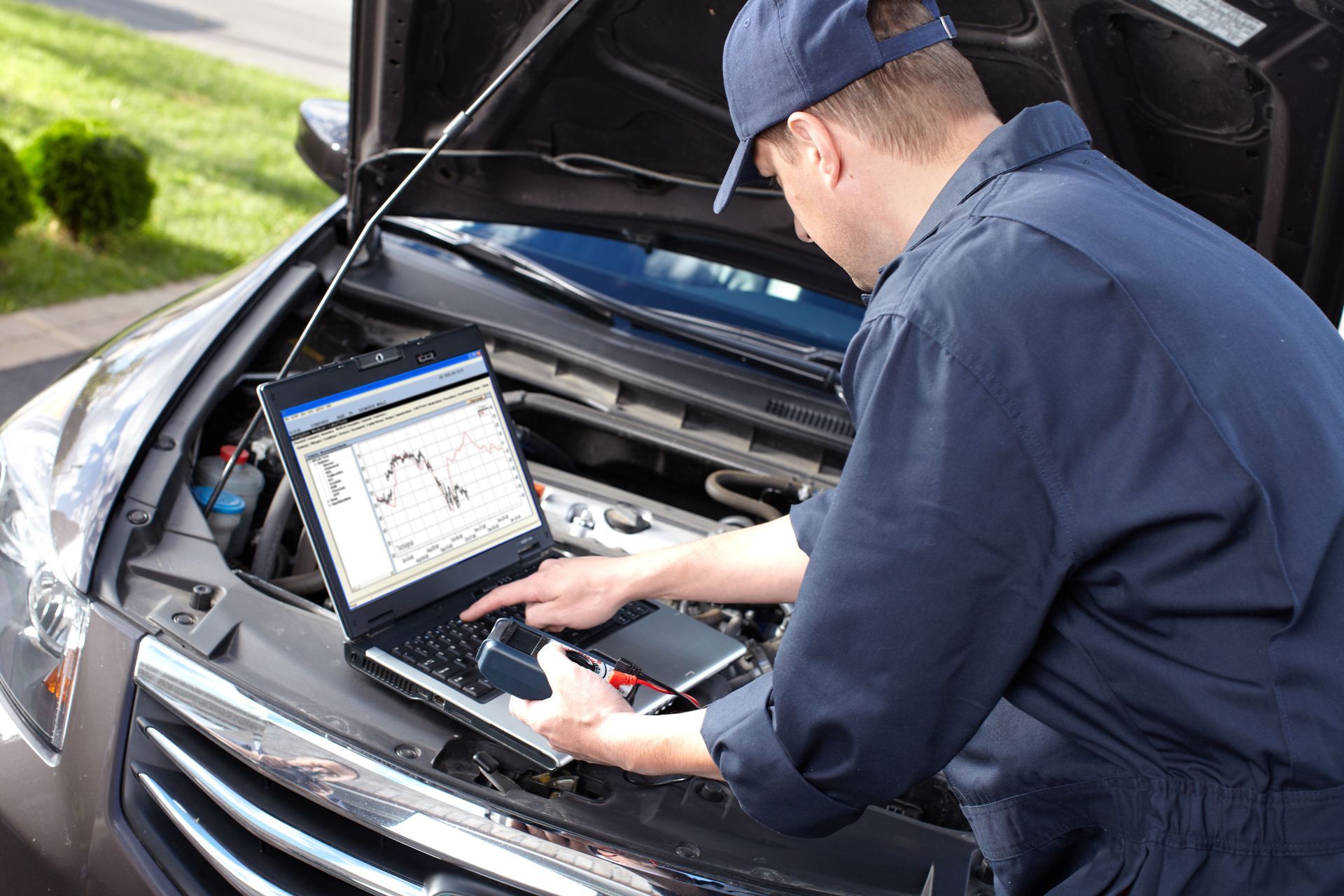
Managing a fleet of vehicles requires vigilance and timely maintenance to ensure smooth operations. Ignoring certain signs of wear and tear can lead to costly repairs and affect the efficiency of your fleet. This article outlines key indicators that signify the need for professional fleet repair services. Awareness of these indicators not only aids in reducing unexpected downtime but also in maintaining the operational efficiency of your entire fleet. Let's delve into the signs that should prompt attention for fleet repair services.
1. Frequent Breakdowns
Frequent breakdowns are perhaps one of the most evident signs that your fleet vehicles need repair services. When vehicles in your fleet begin to experience increased unscheduled repairs, it's a clear indication of underlying issues that need addressing. These unscheduled repairs not only disrupt the workflow but also highlight the lack of regular maintenance. In particular, constant vehicle failure could point to broader systemic issues within fleet management, such as ineffective preventative maintenance strategies. Ultimately, frequent breakdowns lead to operational inefficiencies, which could potentially cost your company both financially and through lost reputation.
Another significant effect of frequent breakdowns is decreased vehicle performance. A vehicle that is not in optimal condition will invariably start to perform below par, affecting speed, handling, and reliability. This decline in performance can inhibit operational tasks, cause delays, and increase fuel consumption, which affects the bottom line. A proactive approach, including regular diagnostics and repairs, is critical to ensuring vehicles operate at their peak. Additionally, fleet managers should implement consistent checks to maintain performance standards across the fleet.
The economic implications of frequent breakdowns are profound, manifesting through rising maintenance costs. As vehicles repeatedly experience failures, repair costs tend to accumulate, stretching the fleet maintenance budget. This cost can be compounded by more extensive repairs that might arise from neglecting minor issues early on. Additionally, the financial pressures extend beyond repairs to include the cost of replacing an entire fleet vehicle when repairs become nonviable. By monitoring the repair frequency and addressing issues promptly, businesses can maintain both economic stability and vehicular reliability.
2. Warning Lights on the Dashboard
The presence of warning lights on a vehicle's dashboard serves as a crucial indicator of underlying problems that require immediate attention. The check engine light, for instance, can signify a wide range of issues, from a loose gas cap to critical engine malfunctions. Ignoring this light without proper investigation can lead to serious mechanical failures and compromised safety. Therefore, taking swift action when dashboard lights appear is essential to prevent minor issues from escalating. Professional diagnostics are recommended to understand the precise cause and scope of the problem indicated by these alerts.
Other critical warnings include fluid level alerts, which play a vital role in vehicle operation. Low fluid levels can affect various components, from the engine to the transmission system, leading to operational inefficiency. Alert systems for brake fluids, transmission fluids, or oil levels detect potential threats to vehicle safety and efficiency. These alerts should be addressed promptly to avoid extensive repairs or replacements. Monitoring and maintaining fluid levels regularly can prevent these warning lights from illuminating, securing both the safety and functionality of fleet vehicles.
Dashboard alerts are also significant for safety systems, such as those for brakes and tires. Brake system warnings, for example, must be addressed immediately to prevent potential accidents, while tire pressure monitoring system alerts ensure tires are properly inflated and aligned. Malfunctions in these systems can severely impact driving safety, so regular maintenance checks by professionals are advisable. According to the U.S. Bureau of Labor Statistics (BLS), automotive service technicians and mechanics held about 805,600 jobs in 2024 across the United States, highlighting the widespread availability of expertise to help manage these critical maintenance needs. Consequently, utilizing specialized services ensures fleet safety and reliability.
3. Visible Wear and Tear
Detecting visible wear and tear on fleet vehicles can point to the necessity for repair interventions. Exterior and body damage, such as dents, paint scratches, or rust, not only affects aesthetic appeal but can also indicate deeper structural issues. For instance, rust can weaken the vehicle's frame and make parts more susceptible to damage. Regular inspections and cosmetic repairs are thus vital to maintain the vehicles' visual and functional integrity. By addressing these surface-level damages promptly, the vehicle's life can be extended, helping to maintain the overall fleet image.
Aside from exterior damage, interior deterioration can also signal urgent maintenance needs. Torn upholstery, malfunctioning controls, or cracked dashboards affect driver comfort and ability to operate the vehicle efficiently. A well-maintained interior is essential for a conducive working environment, especially for long-haul or frequent-use vehicles. Regular interior assessments can identify components in need of repair or replacement. Engaging a repair service to address these concerns can significantly enhance driver satisfaction and productivity.
4. Unusual Noises
Unusual noises emanating from fleet vehicles are sure indicators that repair services are required. For instance, engine knocking or rattling sounds can suggest issues with engine components, such as piston rings or crankshafts. Ignoring these noises can lead to severe engine damage, resulting in costly repairs or replacements. Identifying the root cause of these noises early can significantly reduce maintenance costs and extend engine life. Regular checks by skilled mechanics are advisable to ensure noise issues are promptly diagnosed and remediated.
The sound of squealing brakes or transmission noises can indicate critical problems within the brake or transmission systems. Squealing brakes may point to worn-out brake pads or discs, while grinding noises might suggest a more severe failure. Similarly, transmission noises such as clunking or buzzing can reveal gearbox issues or low transmission fluid levels. These sound cues underscore the importance of routine vehicle inspections and diagnostics. Addressing these issues rapidly can minimize repair expenses and improve vehicle functionality.
Other noises like irregular exhaust sounds or steering noises should not be dismissed either. Exhaust systems that produce hissing or popping noises may indicate leaks or blockages contributing to reduced efficiency and increased emissions. On the other hand, steering noises like grunts or whines can point to issues with the power steering fluid or gearbox. These anomalies call for expert evaluations to prevent major failures. Maintenance of these systems is essential for vehicle safety and regulatory compliance, ensuring uninterrupted fleet operations.
5. Poor Fuel Efficiency
When assessing vehicle maintenance needs, fuel efficiency serves as a paramount consideration. Notably, increased fuel consumption can indicate underlying functional issues within the vehicle. Problems with the air and fuel filters, engine inefficiencies, or exhaust malfunctions are common contributors to poor fuel economy. Regularly reviewing and maintaining these components can greatly enhance mileage and reduce fleet operating costs. For a business, improved fuel efficiency directly correlates with cost savings and environmental responsibility.
Another concern tied to poor fuel efficiency is the issue of fuel leaks or odors. If a fleet vehicle emits a strong gasoline smell or shows visible signs of leakage, these could indicate significant system failures. Leaks not only wastefully deplete fuel resources but also pose severe safety hazards. Addressing these issues with urgency is crucial to upholding operational safety standards. Professional assessments ensure that such issues are comprehensively addressed, averting potential disasters and maintaining vehicular functionality.
Timely recognition of these signs can help you address fleet repair services before they escalate into more severe problems, saving your business time and money. Implementing routine maintenance and repairs ensures the longevity and efficiency of your vehicles, keeps your drivers safe, and supports uninterrupted business operations. By adopting a proactive approach to vehicle maintenance, fleet managers can safeguard against unexpected breakdowns and operational disruptions. Engaging professional repair services enables timely diagnosis and resolutions, securing fleet reliability and performance. Ultimately, maintaining consistent operation and upkeep practices fortifies the fleet's role within the business's competitive framework. For more information about the services that we offer, reach out to our incredible team at ruise N' Cool Automotive, Diesel & Fleet Repair today!