May 11, 2026
In today's fast-paced business environment, maintaining a diesel fleet is crucial for companies that rely on it for operations. Fleet management involves not just keeping vehicles operational but also ensuring optimal performance and compliance with environmental standards. Diesel fleet repair strategies are essential to overcoming the challenges businesses face, such as breakdowns, costly repairs, and regulatory compliance. These strategies can streamline operations and enhance business efficiency while extending the lifecycle of expensive heavy-duty assets. By adopting a forward-thinking approach to maintenance, companies can transform their fleet from a potential liability into a reliable engine for growth. Understanding the full spectrum of these strategies can significantly contribute to a company's success.
1. Preventive Maintenance Programs
A. Scheduled Servicing
Scheduled servicing is the cornerstone of any successful fleet maintenance program. Regular check-ups for each vehicle in the fleet ensure that potential issues are identified and addressed before they become major problems. For businesses, this means avoiding unexpected breakdowns or costly repairs. A well-maintained fleet is also less likely to incur additional costs, providing a clear competitive advantage. These services include oil changes, tire inspections, and brake checks, which collectively contribute to smoother operations and simplify the diesel fleet repair process over time.
B. Minimizing Unexpected Breakdowns
Preventive maintenance is not just about regular check-ups; it's also about minimizing the likelihood of unexpected breakdowns. Vehicles often show subtle signs of potential issues, which can be easily missed without regular inspections. Spotting these signs early reduces the risk of sudden failures that disrupt business operations. By having a preventive maintenance program in place, businesses can ensure their diesel fleet is always roadworthy and reliable.
C. Cost Efficiency through Regular Checks
Regular checks and maintenance play an essential role in achieving cost efficiency for businesses operating diesel fleets. Although frequent checks may initially seem like an added expense, the long-term cost savings they result in can be substantial. By investing in regular maintenance routines, businesses can prevent major repairs that might otherwise arise from neglecting small issues early on. Furthermore, this strategic approach enhances budget predictability, allowing businesses to allocate resources with greater accuracy.
2. Training and Support for Fleet Technicians
A. Specialized Technician Training
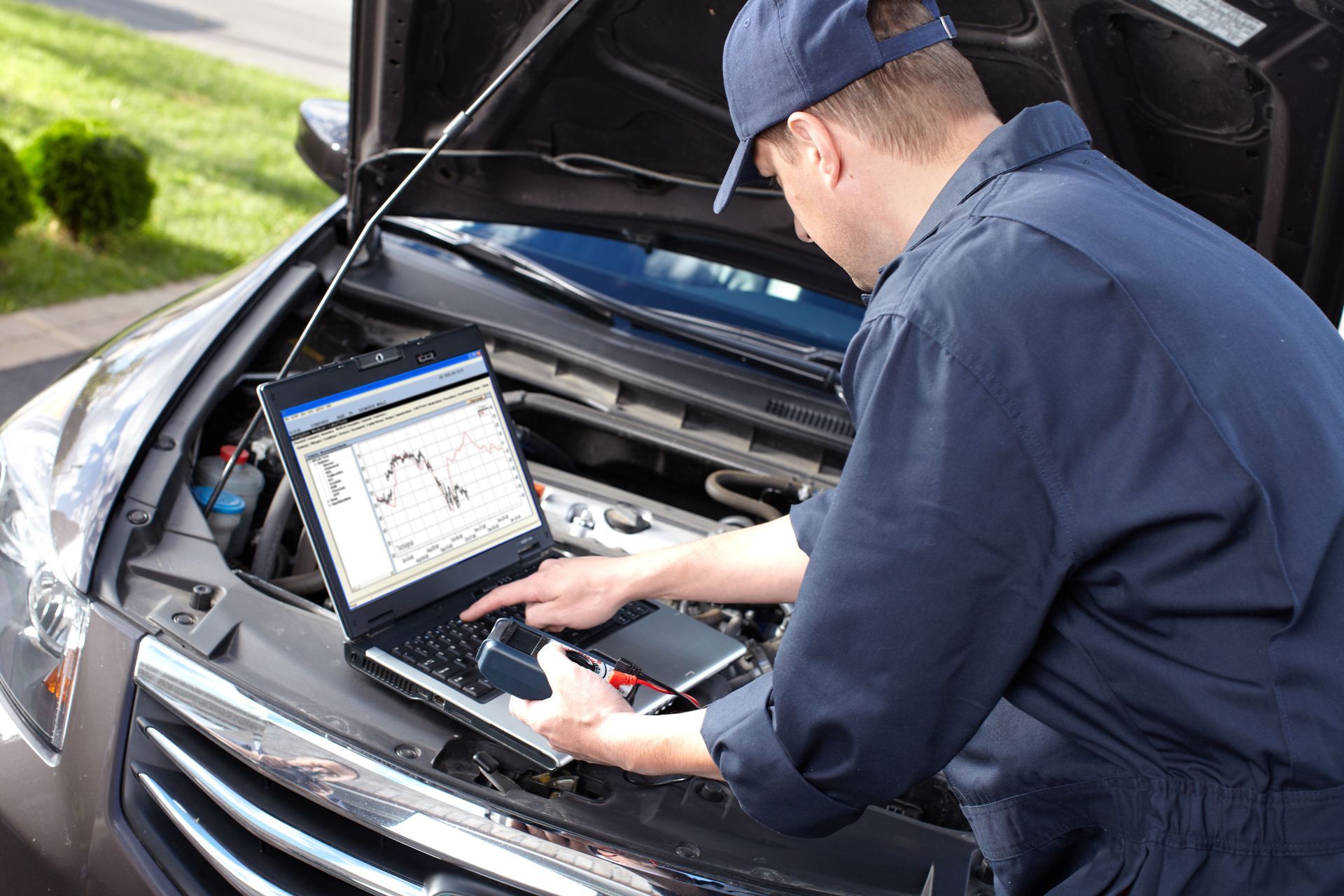
A successful fleet operation depends significantly on the competency of its maintenance staff. Specialized technician training equips mechanics with the skills necessary to manage and repair diesel engines effectively. This training usually includes understanding the latest technologies and repair techniques specific to diesel engines. Skilled technicians can detect and solve problems more efficiently, thus ensuring that fleet vehicles are back on the road promptly. Investing in specialized training not only benefits the mechanics but also improves the overall efficiency of diesel fleet repair operations.
B. Access to Updated Repair Protocols
Providing technicians with access to updated repair protocols is crucial in maintaining an efficient diesel fleet. As technology evolves, so do the diagnostic and repair protocols, making it essential for mechanics to stay current. Updated protocols ensure technicians are aware of the latest repair techniques and standards that affect the fleet's performance and compliance with regulations. According to Trucking.org, more than 99% of trucking companies operate 100 trucks or fewer; for these smaller operations, managing resources judiciously through modern protocols is essential for staying competitive.
C. Safety Training and Compliance
Beyond technical know-how, safety training is an integral part of technician development. With diesel engines and machinery, even routine maintenance poses potential safety risks, making it imperative for all staff to thoroughly understand safety protocols. Addressing these risks through dedicated safety training helps mitigate workplace incidents, ensuring worker well-being and minimizing downtime from accidents. A safety-first culture within the maintenance team reflects positively on business operations, contributing to a more sustainable workflow.
3. Strategic Parts Management
A. Efficient Inventory Systems
Strategic parts management is another critical component of a robust diesel fleet repair program. Efficient inventory systems ensure that necessary replacement parts are available when needed, minimizing downtime. Implementing barcoding systems or using inventory management software can streamline parts tracking and stock levels, ensuring prompt replenishment. This efficiency ensures that trucks are equipped with quality parts that keep them running smoothly and reduce unnecessary delays in service operations.
B. Sourcing Quality Replacement Parts
The importance of sourcing quality replacement parts cannot be overstated. Using low-quality parts can lead to frequent breakdowns and increased maintenance costs, disrupting fleet operations and reducing efficiency. Reliable parts contribute to the longevity and performance of diesel vehicles, ensuring consistent operation. Partnering with reputable suppliers can guarantee access to high-quality components, crucial for maintaining fleet reliability and minimizing service disruptions.
C. Reducing Downtime with Quick Part Availability
Quick access to the right parts is instrumental in reducing vehicle downtime, a significant factor affecting operational efficiency. Businesses must develop strategies ensuring parts are available exactly when needed, minimizing the time vehicles spend off the road. Implementing well-organized inventory systems informed by historical consumption data enables rapid access to frequently required parts. These systems help preemptively stock parts that may otherwise cause delays in fleet repairs.
4. Leveraging Technology for Fleet Management
A. Using Telematics for Monitoring
The integration of telematics into fleet management systems is revolutionizing the way businesses monitor and manage their diesel fleets. Telematics solutions provide real-time data on vehicle location, driver behavior, and engine diagnostics. By leveraging this technology, fleet managers can gain valuable insights that facilitate proactive maintenance scheduling and enhanced fleet efficiency. The ability to monitor vehicles remotely allows managers to address issues swiftly and maintain optimal fleet performance.
B. Digital Record Keeping
Moving beyond traditional methods, digital record-keeping is a powerful tool that transforms fleet management operations. This approach streamlines documentation, such as maintenance histories, vehicle performance records, and repair logs, into accessible digital formats. Consequently, it reduces the cumbersome nature of paper records, ensuring data accuracy and improving accessibility for fleet management teams. Digital documentation empowers businesses to rapidly retrieve necessary records and information, improving decision-making processes regarding diesel fleet repair needs.
C. Fleet Management Software Solutions
The adoption of fleet management software solutions has become increasingly prevalent, transforming operational efficiency for diesel fleet operators. These solutions offer a comprehensive suite of tools that manage every aspect of fleet operation from driver management to maintenance scheduling. With integrated features such as real-time tracking, fuel usage analysis, and maintenance alerts, businesses can monitor their fleets holistically. This technology enables operators to optimize vehicle performance, streamline workflows, and reduce operating costs.
A robust diesel fleet repair strategy is the backbone of a successful, logistics-dependent business. By moving from reactive repairs to proactive preventive maintenance, companies can drastically reduce downtime and protect their bottom line. The integration of specialized technician training, strategic parts management, and cutting-edge telematics further ensures that a fleet remains both compliant and cost-efficient. In an industry where every hour off the road translates to lost revenue, these optimized workflows provide a vital competitive edge. Furthermore, a commitment to these practices fosters a culture of safety that protects both the workforce and the public. As technologies continue to evolve, staying adaptable and informed remains the best way to navigate the complexities of modern transport. Embracing these comprehensive management practices ensures your fleet stays reliable, safe, and ready to meet the demands of a fast-paced market.
Ready to minimize downtime and maximize your fleet's performance? Contact Cruise N' Cool Automotive, Diesel & Fleet Repair today!